Perimenopause in Polk City, IA
Perimenopause can feel confusing because the changes do not always arrive all at once—or look the same from one woman to another. A cycle that used to be predictable may become irregular. Sleep may feel less restorative. Hot flashes, mood changes, brain fog, or changes in sexual health can appear gradually and may be easy to dismiss as stress or simply "getting older."
These experiences deserve thoughtful attention. Perimenopause is a normal life transition, but that does not mean you have to guess what is happening or manage disruptive symptoms alone.
This guide explains common hormone-related changes, when to seek care, and what women in Polk City can expect from a personalized hormone-health conversation.
What Is Perimenopause?
Perimenopause—also called the menopausal transition—is the time leading up to menopause. During this transition, the ovaries' production of estrogen and progesterone changes. Those fluctuations can affect menstrual cycles and create symptoms throughout the body.
According to the National Institute on Aging, most women begin the menopausal transition between ages 45 and 55, although timing varies. Menopause is confirmed after 12 consecutive months without a menstrual period or spotting when there is no other cause.
Perimenopause is not an illness, and not every woman experiences significant symptoms. For others, symptoms can affect sleep, work, relationships, exercise, or overall quality of life.
Common Signs of Perimenopause and Hormone Changes
Many symptoms associated with perimenopause can also have other causes. The goal is not to diagnose yourself from a checklist, but to recognize patterns worth discussing with a qualified healthcare provider.
1. Changes in Your Menstrual Cycle
One of the earliest signs may be a change in your usual period pattern. Cycles may become shorter or longer, flow may become lighter or heavier, and some months may be skipped.
Cycle changes can be common during perimenopause, but unusual bleeding should still be evaluated. Contact a healthcare professional if you experience very heavy bleeding, bleeding between periods, bleeding after sex, periods lasting longer than a week, or bleeding after you have gone 12 months without a period.
2. Hot Flashes and Night Sweats
Hot flashes can cause a sudden sensation of warmth, often in the face, neck, or upper body. When they happen during sleep, they are commonly called night sweats.
For some women these episodes are occasional. For others they interrupt sleep or make daily activities uncomfortable. Frequency and intensity can change over time.
3. Sleep Problems and Daytime Fatigue
Hormone changes, night sweats, stress, and other midlife factors can all affect sleep. You may have trouble falling asleep, wake during the night, or feel tired even after spending enough time in bed.
Persistent fatigue is not specific to perimenopause. A healthcare provider may consider other possible contributors based on your symptoms and medical history.
4. Mood Changes, Irritability, or Difficulty Concentrating
Some women report mood changes, irritability, forgetfulness, or difficulty concentrating during the menopausal transition. Sleep disruption and life stress can contribute as well.
Significant anxiety, depression, or changes that interfere with daily life deserve professional attention. Mental-health symptoms should not automatically be attributed to hormones.
5. Vaginal, Urinary, or Sexual-Health Changes
Changing hormone levels may contribute to vaginal dryness, discomfort during sex, changes in sexual desire, urinary urgency, or recurrent urinary symptoms. These concerns are common, but many women hesitate to bring them up.
A private conversation with a provider can help identify appropriate next steps and rule out other causes.
6. Changes in Body Composition or Physical Comfort
During midlife, some women notice changes in weight distribution, muscle mass, skin, or joint and muscle comfort. Hormones may play a role, but aging, activity, sleep, nutrition, medications, and other health conditions can also contribute.
A personalized evaluation is more useful than assuming every physical change has a single hormonal cause.
7. Symptoms That Begin Affecting Daily Life
The significance of a symptom is not determined only by how it looks on a list. Sleep loss, hot flashes, discomfort, or mood changes may warrant a conversation when they begin affecting your work, relationships, exercise, confidence, or quality of life.
Not Every Symptom Is Caused by Perimenopause
Symptoms such as fatigue, cycle changes, mood changes, sleep problems, or weight changes can overlap with other conditions. Thyroid disorders, anemia, pregnancy, medication effects, sleep disorders, and other health issues may need to be considered.
That is why an individualized health assessment matters. The safest approach is to discuss the complete pattern—what changed, when it began, how often it occurs, and how it affects you—with a qualified healthcare provider.
What to Expect From a Hormone-Health Consultation
A hormone-health consultation should be a conversation, not a one-size-fits-all treatment plan. Depending on your needs, it may include:
- A review of your symptoms and menstrual history
- Your personal and family medical history
- Current medications and supplements
- Sleep, nutrition, movement, stress, and other lifestyle factors
- Your goals, preferences, and concerns
- A physical examination or laboratory testing when clinically appropriate
- A discussion of possible benefits, risks, alternatives, and follow-up needs
Laboratory testing is not identical for every patient, and a single hormone result does not tell the whole story. Your age, symptoms, health history, cycle pattern, and other clinical information all help guide the evaluation.
Are Hormones the Only Treatment Option?
No. Some women do not need treatment, while others benefit from changes in sleep, nutrition, physical activity, or stress management. Nonhormonal prescription options may help certain symptoms. Menopausal hormone therapy may also be considered for some patients.
Hormone therapy has potential benefits and risks, and it is not appropriate for everyone. The right decision depends on factors such as your symptoms, age, medical and family history, treatment goals, and the type, dose, and form of therapy being considered. These decisions should be made with a qualified healthcare provider and reviewed over time.
Questions to Bring to Your Appointment
Writing down your questions can make a consultation more useful. Consider asking:
- Could my symptoms have causes other than perimenopause?
- Do I need any testing based on my history and symptoms?
- What lifestyle, nonhormonal, and hormonal options are available?
- What are the potential benefits and risks for me personally?
- How will we measure whether a treatment is helping?
- What side effects or warning signs should I report?
- How often should my treatment plan be reviewed?
It can also help to track your cycle, sleep, hot flashes, mood, and other symptoms for several weeks before your visit.
When Should You Seek Care?
You do not need to wait until symptoms become severe. Consider scheduling a healthcare visit when symptoms are persistent, concerning, or affecting your daily life.
Promptly discuss bleeding that is very heavy, occurs between periods or after sex, lasts longer than expected, or begins after 12 months without a period. Seek urgent medical care for any severe or sudden symptoms that may represent an emergency.
Women’s Hormone Health in Polk City, Iowa
Lush Lifestyle Medicine provides provider-led hormone-health consultations in Polk City and serves women from Ankeny, Grimes, Johnston, and the greater Des Moines area. The goal is to listen carefully, review the full clinical picture, and discuss options based on each patient’s needs—not to assume that every symptom has the same cause or that one treatment fits everyone.
If hormone changes are affecting how you feel, learn more about hormone therapy in Polk City or contact Lush Lifestyle Medicine to schedule a consultation.
About the Author
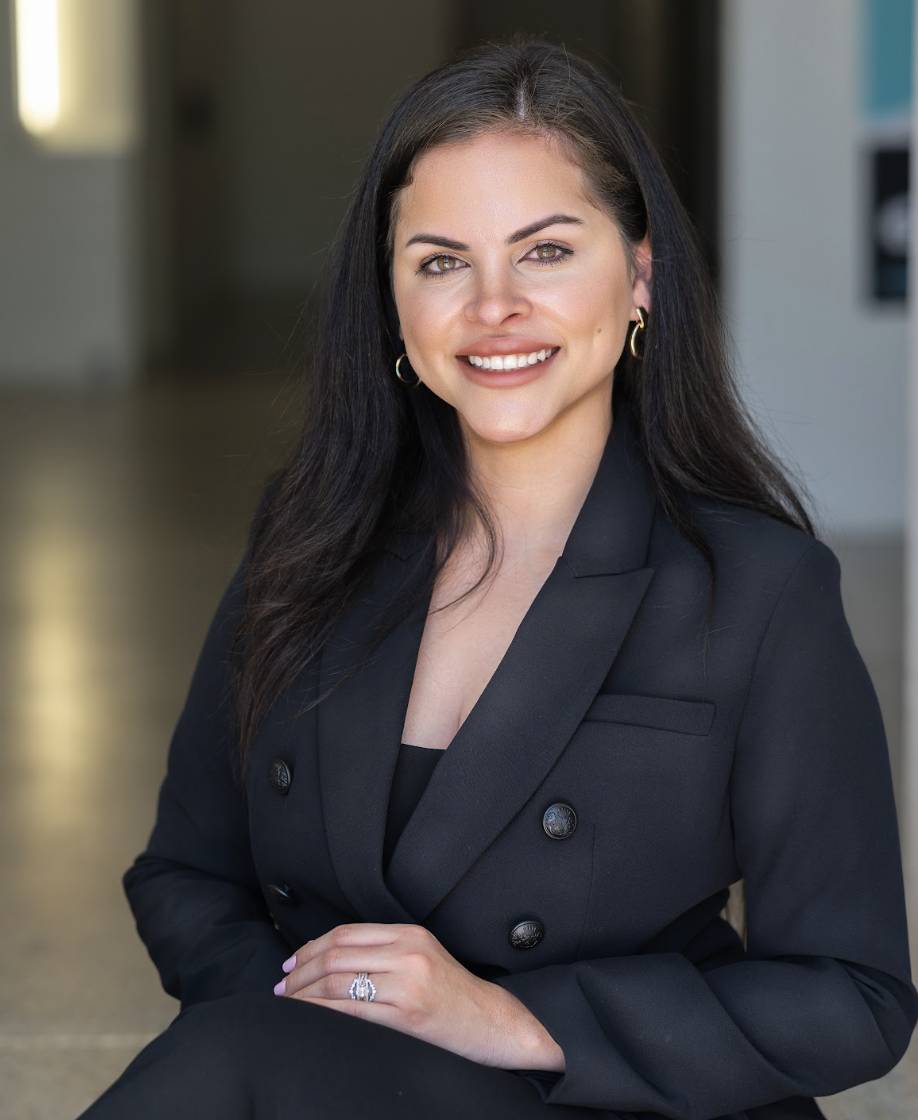
Keilin Isaacson, ARNP, is a licensed Advanced Registered Nurse Practitioner and co-founder of Lush Lifestyle Medicine in Polk City, Iowa. Her approach emphasizes patient education, safety, and individualized, provider-led care.
Sources
- National Institute on Aging: What Is Menopause?
- American College of Obstetricians and Gynecologists: The Menopause Years
- Office on Women’s Health: Menopause Treatment
This article is for general educational purposes and is not a substitute for personalized medical advice, diagnosis, or treatment. Talk with a qualified healthcare professional about your individual symptoms and health history.